
Simple Mulching Guide for Devon Gardens
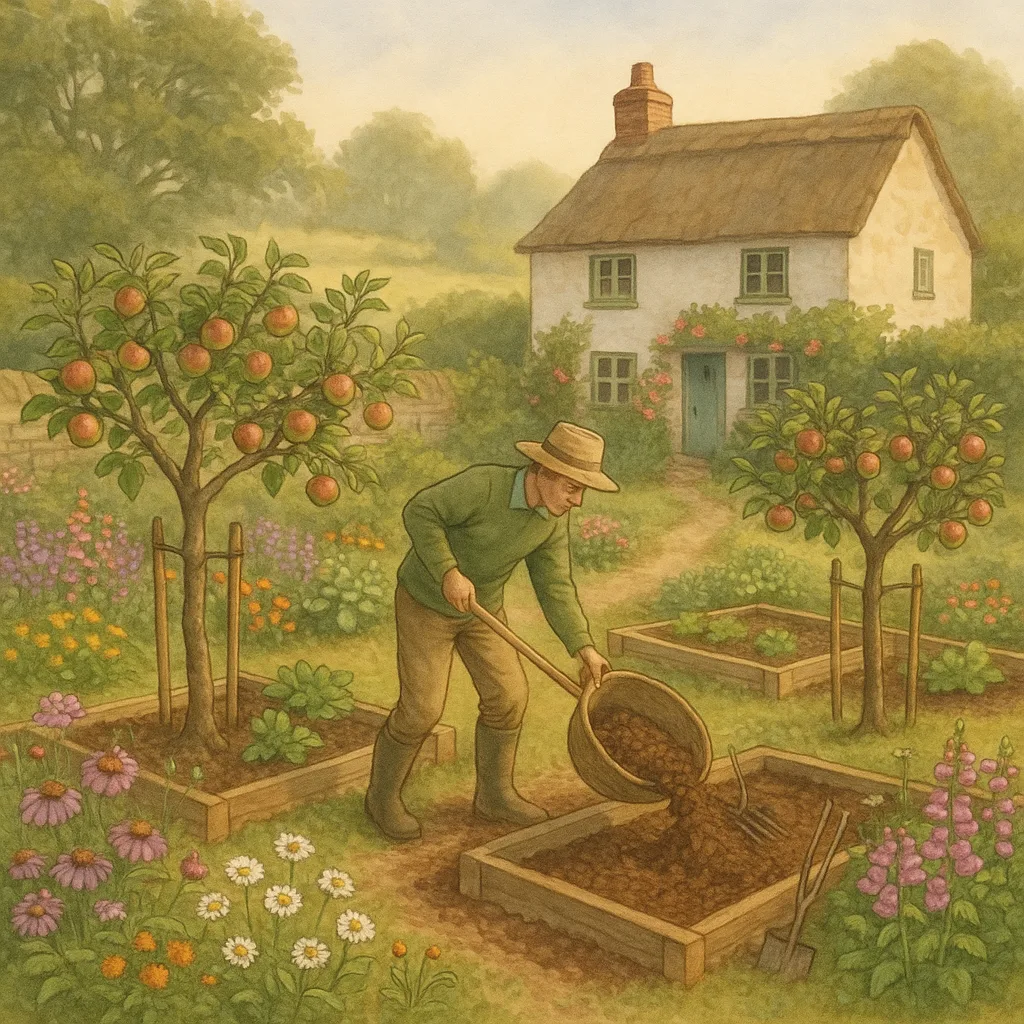
What is mulching?
Mulch is a layer of material placed on top of the soil. Organic mulches such as bark, compost, leaf mould and well-rotted woodchip feed the soil as they decompose. They also help keep soil temperatures steadier and reduce the need to water during dry spells. We find mulching to be a low effort way to get big gardening benefits.
When to mulch
Late spring and autumn are the main times we recommend for mulching. In spring you can protect new plantings and conserve moisture as the weather warms. An autumn mulch helps roots through winter and gradually breaks down to nourish the soil for spring growth. Avoid heavy mulching in the coldest weeks of winter on very young trees and shrubs, and top up thin layers in summer if the soil is drying quickly.
Choosing the right mulch
For borders and under shrubs we favour medium grade bark or woodchip. For vegetable patches and annual beds a layer of well-rotted compost or leaf mould gives nutrients quickly. Grass clippings can work if used sparingly and allowed to dry first. For paths and play areas coarser woodchip is useful. Mulch works well in borders, around shrubs and in vegetable patches, and we can build raised beds if you need a more contained area to manage soil and mulch.
How to apply mulch
Clear weeds before you apply mulch. Spread an even layer of organic material about 5 to 7 centimetres deep around plants. Keep the mulch a few centimetres away from stems and tree trunks to prevent rot. For very small plants start with a thin layer and increase as the plants grow. Replenish the mulch yearly rather than piling on thick layers at once. Where soil compaction is an issue, fork lightly before mulching to improve drainage.
Top tips and common mistakes
Do not use a continuous blanket of mulch that stays waterlogged. Avoid piling mulch directly against woody stems or the base of tree trunks. If you use fresh woodchip in vegetable beds, mix with compost or leave to age a season so it does not temporarily take nitrogen from the soil. We also check for slugs and remove any thick mats of grass clippings that might trap pests.
Mulch and wildlife
Good mulching encourages worms and beneficial insects which help break down material and improve soil. Piles of coarse woodchip can create habitat for hedgehogs and solitary bees. We balance tidiness with wildlife needs by leaving some undisturbed spots and avoiding toxic chemicals near mulch layers.
Mulching is an easy way to reduce maintenance and build healthy soil in gardens. Contact our team for advice or help.